

It’s already well known that AI is deeply ingrained in content marketing workflows, from aspiring TikTok influencers to enterprise marketers. What’s not always reported are the tangible ways in which AI platforms are currently connecting the dots between content outputs and marketing outcomes.
Marketers operate within a web of frameworks that theoretically prove results. Our content production, AI-assisted or not, can’t afford to overlook these parameters. Among the most crucial is the customer journey: The process from capturing audience awareness to building familiarity and emotional buy-in and finally converting. This framework is otherwise known as the AIDA model.
Here, we’re going to look at specific tools embedded in the contentmarketing.ai platform that help marketers tailor their content to the customer journey through the AIDA model. Expect to learn how to seamlessly produce content that drives more conversions without having to overthink it.
Subscribe to the ai marketer
Weekly updates on all things ai in marketing.

What Is the AIDA Model?
The AIDA model is a framework that distills the four most critical stages in the customer journey: Attention, interest, desire and action. Each of these steps combines to create the acronym. By producing content with messaging that accounts for these four stages, brands can better nurture their leads right from first contact through to the sale.
Let’s break down what’s happening at each stage:
Attention
Attention is the moment an audience first registers that a message is relevant to them. Achieving it requires clarity, specificity and context. Content at this stage must clearly signal who it is for and why it matters, using familiar problems or recognizable situations that prompt an immediate cognitive response.
Interest
Interest is sustained when your content proves its relevance. This stage requires substance that deepens understanding without overwhelming the audience with early ‘buy-now’ energy. Effective interest-building content introduces insight, frames the problem accurately and demonstrates awareness of the audience’s constraints and decision environment, encouraging ongoing engagement through credibility rather than novelty.
Desire
Desire forms when audiences begin to see value in choosing one option over others. Content must articulate benefits in human terms, connect outcomes to motivations and address hesitation head-on. At this stage, content builds preference through clarity and emotional alignment (not persuasion alone).
Action
Action occurs when content clearly defines what comes next and why it is worth doing now. To achieve this, messaging must reduce uncertainty, reinforce confidence and present the next step as logical and low-risk. Effective action-oriented content aligns timing, intent and expectation to support decision-making.
Why Use the AIDA Model?
A staggering 45% of enterprise marketers say their content strategy is stuck at “moderately effective” because it’s not tied to the customer journey. AIDA provides a proven, reader-centric framework that guides audiences from first attention to meaningful action.
With an AI-driven content marketing platform bursting with tools that’ll help you integrate AIDA into your content strategy, you can leave the busywork to the robots. But it’s not an invitation to be lazy. Instead, it’s an opportunity to apply greater content personalization, depth and customization to your creative messaging and audience targeting and take your impact further.
So, let’s get into the trenches: How does contentmarketing.ai help you nail the customer journey in your content?
contentmarketing.ai Workflows That Can Enhance Each Stage of AIDA
Before AIDA can drive results, it has to be operational. contentmarketing.ai offers a series of workflows that bring the type of content and messaging you need at every stage to nurture customers through your AIDA funnel.
Let’s explore how they work:
Capturing (and Holding) Attention
In the AIDA model, attention is the gateway to your brand. Without it, the rest of your content effectively doesn’t exist. Inject that into an attention economy, and attention becomes your most valuable commodity. But it’s not just about content appearing on the page, or simply getting “impressions.” What really drives signal is dwell time, or attention. And for that, you need to match the function, form and feel of your chosen channel.
When your content brings instant relevance in a crowded space, you lower your audience’s cognitive load and the content starts to act as an authority signal. That’s exactly what the attention-stage contentmarketing.ai workflows achieve: mapping key phrases and real-time trends to your hook and lowering the barrier to entry into your marketing pipeline.
Here are a few of the contentmarketing.ai workflows for the top of funnel:
- Topic ideation: Provide a topic and effortlessly generate high-relevance and engaging content ideas for campaigns, articles and projects.
- News-based ideation: Position your brand in the center of what’s happening now by generating story angles that connect your brand to trends and current events.
- Target keyphrase headline ideation: Improve your content’s SEO optimization and searchability by ideating headlines that incorporate a chosen key phrase using natural language.
- Social post: Create channel-native content, regardless of which digital playground you’re posting on.
- Single-asset social media campaign: Repurpose an existing content asset into a full-blown campaign, whether that’s standalone evergreen posts to slot into your social calendar or a promotional sequence to drive traffic.
- News or trends article: Lead the conversation with industry updates and trend reports.
- Press release: Generate highly customized and shareable press releases to catch media attention and expand your content’s circulation.
So, imagine you provide connectivity services in Australia, and you’re using the news-based ideation tool. Based on your brand brief and chosen topic, the contentmarketing.ai platform breaks down a list of content ideas, including content type, target channel, funnel stage and more.
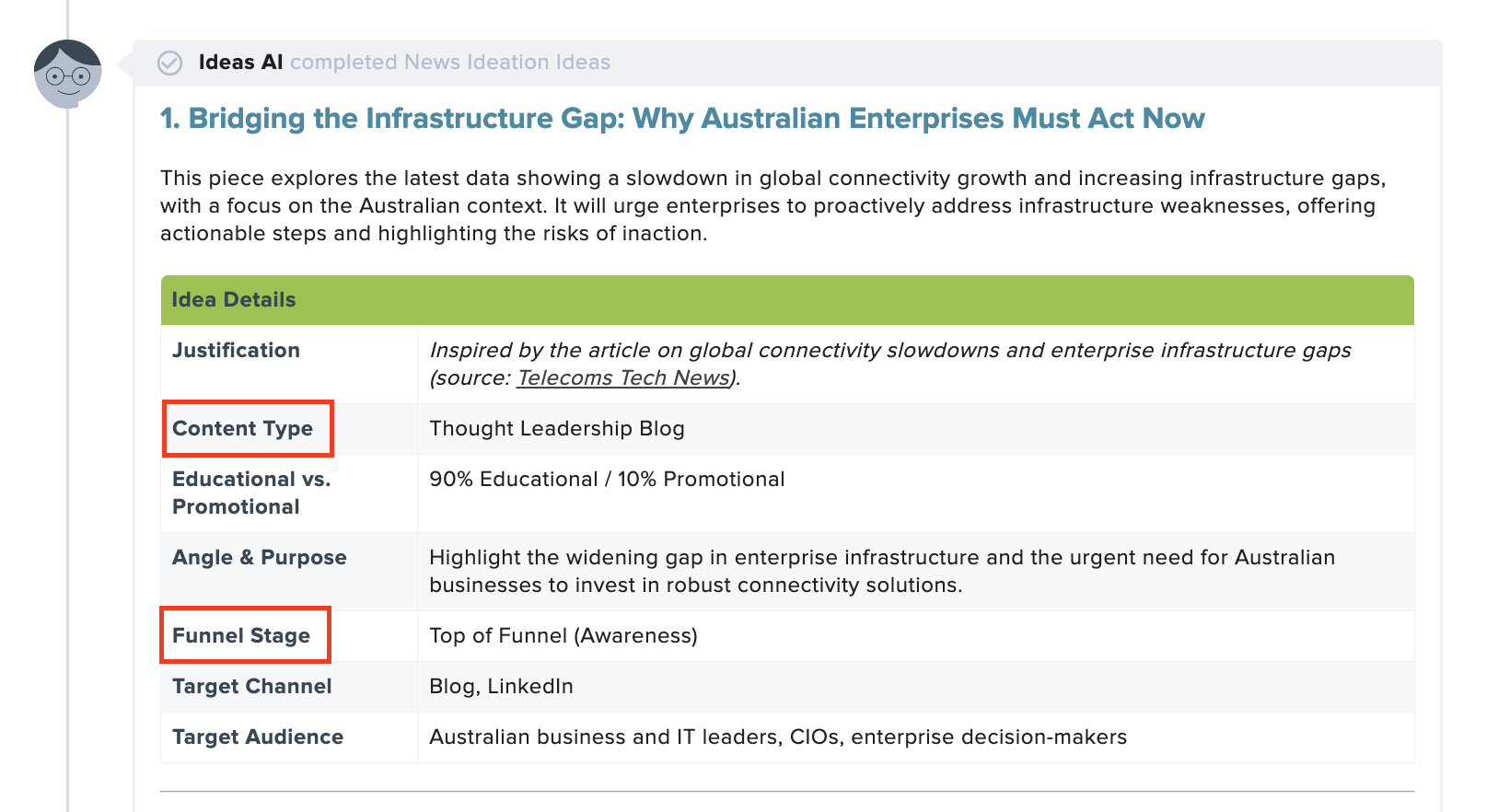
Then, you can select ideas for approval and continue collaboratively developing them.
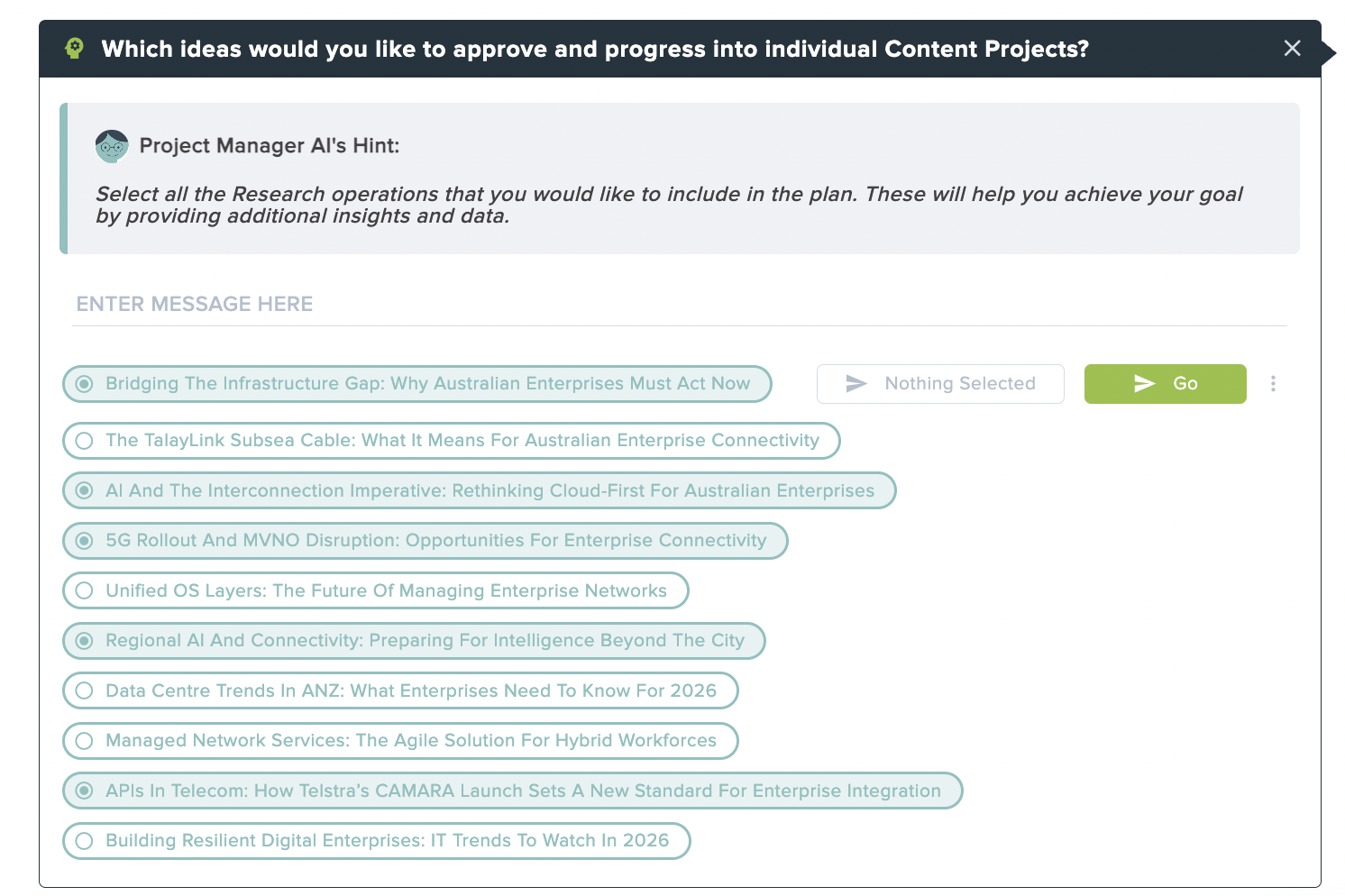
Generating Interest and Curiosity
Interest is what separates curiosity from intent. Moving beyond hooks, during the interest phase, your audience is subconsciously wondering whether you know what you’re talking about. If your content signals that you do, it establishes authority and begins the value exchange. That’s where you sustain curiosity by addressing the hows and the whys, rather than the buy.
Without this (and the subsequent stage), the customer journey would move straight from brand awareness to BUY NOW, which can feel aggressive and jarring.
Here’s how contentmarketing.ai simplifies your content production to nurture a potential customer deeper into your digital marketing pipeline:
- Subject matter expert (SME) interview: Dive into conversations that reveal stories only your brand can share with targeted SME questions.
- Explainer blog: Translate complex ideas into bite-sized explanations, driving clarity and curiosity about your brand.
- Thought leadership blog: Be the first to say it. Share original insights to elevate your brand voice and transform how your audience thinks.
Using Transformation To Create Desire
This stage of your content marketing strategy is where potential customers stop thinking about their problem in general terms and start imagining your solution as the answer. People might research with logic, but they buy with emotion. Desire-focused content highlights the future state, while conveying value, social proof and outcomes, so the audience’s current state feels less-than.
Same as you might build a business case to incorporate contentmarketing.ai into your stack of AI content creation tools, the desire stage is where your audience builds an internal case (and maybe a budget) as they develop preference and justify the investment. At this point in the AIDA funnel, your content actively demonstrates why yours is the quintessential solution to your audience’s transformation.
contentmarketing.ai workflows for the desire stage include:
- Case study: Highlight challenges, solutions and tangible outcomes to build trust and expertise through your real-world success stories.
- White paper: Become the voice of authority with data-backed, authoritative assets that produce insights and analyses that foster trust.
Let’s say from the example above, you decided to develop one of your topical content ideas into a white paper. To generate the content, you just need to open the project (the platform has already created this for you during the news-based ideation phase), revise the direction and make any early-stage tweaks for personalization.
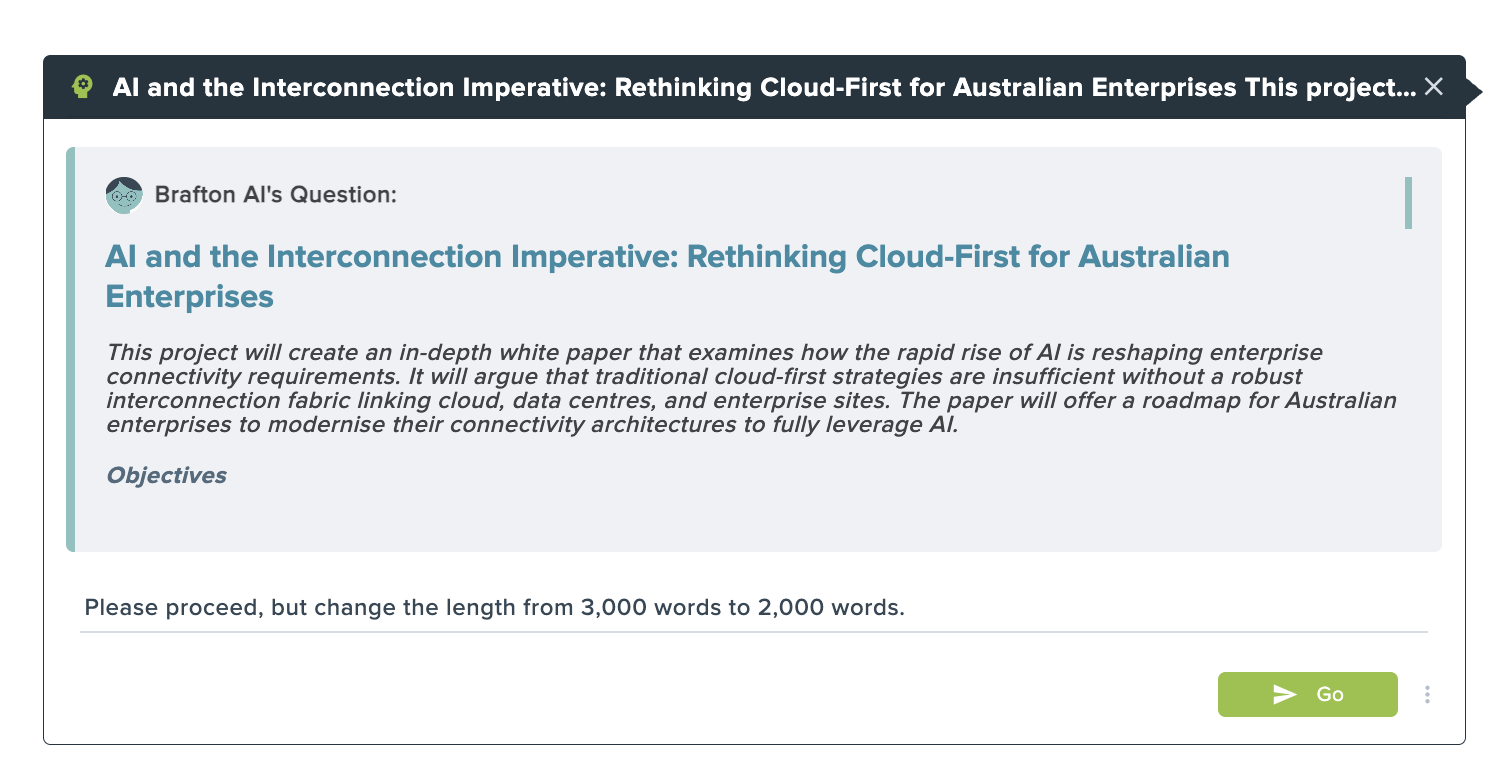
From there, you can refine the outputs by choosing your preferred research methods, number of content sections, illustrations and more. With a few clicks, you’ve got your fully-drafted, researched and illustrated white paper ready for human input.
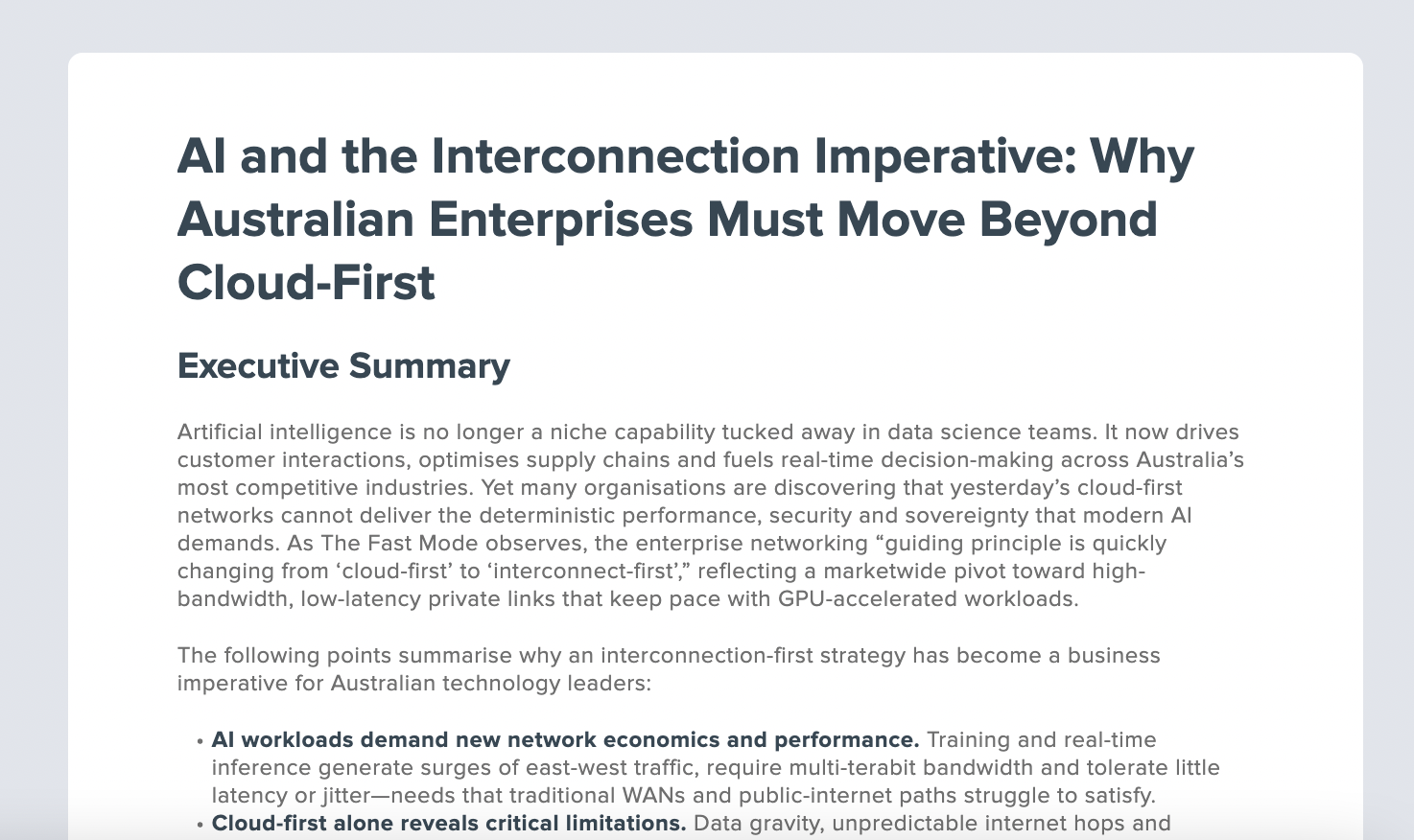
Inspiring Action
At this point, your audience knows who you are and what you offer — and they want it. But they could still walk away from the commitment. Here’s where your content marketing efforts remove friction and reinforce confidence at the point of decision to push a prospective customer over the line.
People want to see beyond the smoke and mirrors; they’re looking for evidence that your solution performs how you say it will.
Here’s how contentmarketing.ai can help:
- One-pager: Deliver all the essential information about your solution in a single, concise page that catches attention and urges action.
- Single-asset email campaign: Turn one asset into a highly targeted drip email campaign with engaging content that’s ready for business.
Moving From Models to Momentum
The AIDA framework mirrors how real decisions happen, and the right AI tool automates content production to reduce the cognitive load behind high-converting campaigns. With these tools handling the structure and scale of content, marketers have more time to infuse personalization, nuance and creativity into their outputs.
Test the workflows, iterate and let your content guide audiences from attention to action.